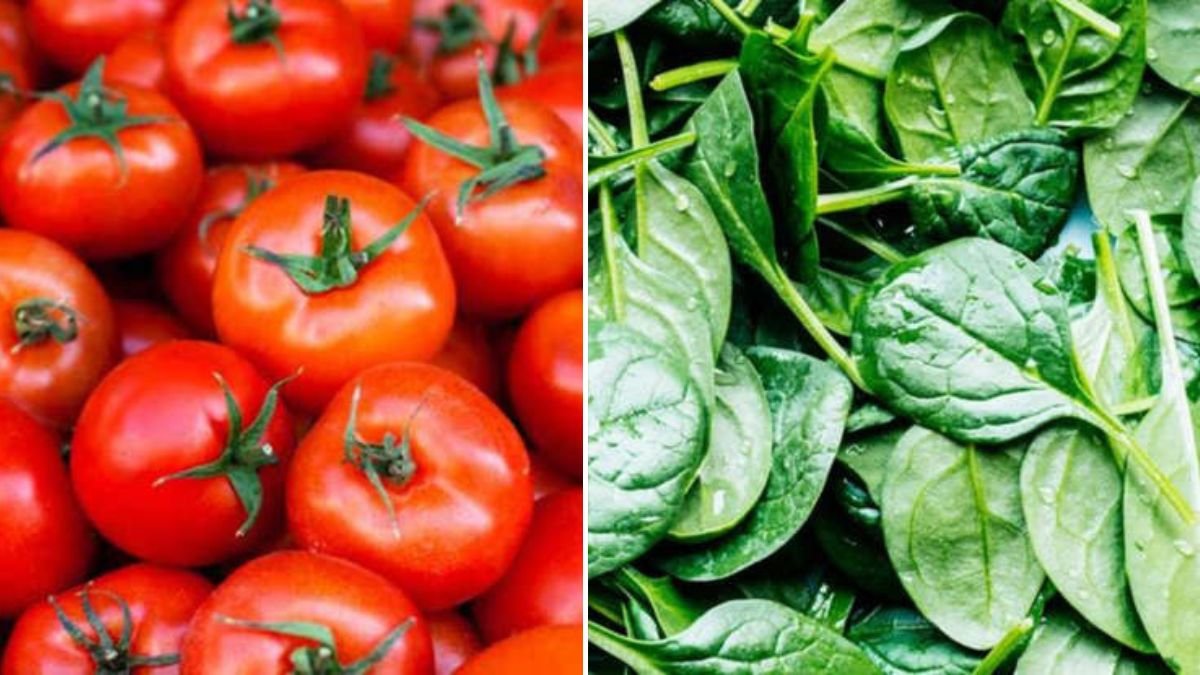

Eating vegetables every day is one of the simplest and most powerful ways to protect your long-term health. From improving digestion to reducing the risk of chronic disease, vegetables provide a wide spectrum of nutrients that the human body needs to function at its best. Yet many people still fail to eat enough vegetables on a daily basis. Including a variety of vegetables in your meals ensures that you receive essential vitamins, minerals, fiber, and antioxidants that cannot be easily replaced by supplements or processed foods.
Vegetables are naturally low in calories and high in nutrients, making them ideal for weight management, heart health, immune function, and digestive wellness. Diets rich in vegetables have consistently been linked to lower rates of heart disease, diabetes, obesity, and certain types of cancer. Eating vegetables daily also supports gut bacteria, helping the body absorb nutrients more efficiently and maintain stable energy levels throughout the day.
One of the best ways to get these benefits is to rotate a wide selection of vegetables rather than relying on just one or two. Each vegetable offers its own unique combination of nutrients and protective compounds. Some are rich in vitamin C, others provide iron or potassium, while many contain plant chemicals that fight inflammation and oxidative stress. By eating a variety of vegetables every day, you allow your body to take advantage of all these different health-supporting elements.
Spinach is one of the most nutrient-dense vegetables available. It is rich in iron, folate, vitamin C, and antioxidants that help improve blood health and immune function. Spinach is also high in fiber, which supports digestion and helps regulate blood sugar levels. Whether eaten raw in salads or lightly cooked in soups and stir-fries, spinach is an easy vegetable to include in daily meals.
Broccoli is another essential vegetable that deserves a place on your plate. It contains high levels of vitamin C, vitamin K, fiber, and powerful plant compounds that support detoxification and may reduce cancer risk. Broccoli also contributes to bone health and helps reduce inflammation in the body. Regular consumption of broccoli supports heart health and improves digestive function.
Carrots are well known for their role in eye health due to their high beta-carotene content, which the body converts into vitamin A. They are also a good source of fiber and antioxidants that protect cells from damage. Eating carrots regularly supports skin health, immunity, and healthy vision while adding natural sweetness to meals.
Bell peppers, especially red and yellow varieties, are packed with vitamin C, making them one of the best vegetables for immune system support. They also contain carotenoids and antioxidants that promote skin health and reduce inflammation. Bell peppers add flavor, color, and crunch to meals while boosting nutrient intake.
Sweet potatoes are a highly nutritious root vegetable that provides beta-carotene, fiber, and complex carbohydrates. They support digestive health, eye health, and stable energy levels. Unlike refined carbohydrates, sweet potatoes provide sustained fuel without causing blood sugar spikes.
Potatoes, when eaten in their whole and unprocessed form, are a valuable source of potassium, vitamin C, and fiber. Potassium supports heart health and muscle function, while vitamin C boosts immunity. Including potatoes as part of a balanced diet helps maintain energy and electrolyte balance.
Cauliflower is a versatile vegetable that fits into many types of meals. It is high in fiber and antioxidants that help the body eliminate toxins and reduce inflammation. Cauliflower also supports digestive health and can be used as a low-carbohydrate alternative to grains in dishes like rice and mashed potatoes.
Green peas provide plant-based protein, fiber, and essential vitamins such as B vitamins that help convert food into energy. They support muscle function, digestion, and blood sugar control. Green peas are especially useful for people following plant-based diets.
Cabbage is rich in vitamin C, fiber, and compounds that support gut health. It is known for its ability to improve digestion and reduce bloating. Fermented cabbage, such as sauerkraut or kimchi, also introduces beneficial probiotics into the gut.
Leafy greens like lettuce, arugula, and mixed greens contribute hydration, fiber, and essential vitamins to the diet. They are low in calories but high in nutrients, making them ideal for weight control and overall wellness. Eating leafy greens daily supports heart health and helps maintain healthy blood vessels.
Corn provides energy-rich carbohydrates along with fiber and B vitamins. It supports digestive health and provides sustained energy. When eaten whole, corn contributes valuable nutrients that support metabolism and physical activity.
Radishes are often overlooked, but they offer antioxidants and compounds that support liver function and digestion. Their high water content helps with hydration and detoxification. Including radishes in salads or side dishes adds flavor while boosting health benefits.
Eggplant is rich in fiber, potassium, and antioxidants that protect cells from damage. It supports heart health and digestion while helping regulate cholesterol levels. Eggplant is especially useful in plant-based diets because it adds texture and volume to meals.
Zucchini is a low-calorie vegetable that is high in water, fiber, and vitamins. It supports digestion, hydration, and weight management. Zucchini can be eaten raw, grilled, or cooked in a variety of dishes, making it easy to include every day.
Green beans provide fiber, vitamins, and plant compounds that support blood sugar balance and heart health. They also contribute to bone strength and digestion. Green beans are a versatile vegetable that works well in soups, stir-fries, and side dishes.
Kale is one of the most nutrient-rich leafy greens available. It contains high levels of vitamins A, C, and K, which support immune function, vision, and bone health. Kale also contains antioxidants that help reduce inflammation and protect against disease.
Onions are an essential vegetable that offers anti-inflammatory and antioxidant benefits. They support heart health, blood sugar balance, and immune function. Onions also enhance flavor in almost any dish, making them easy to include daily.
Bok choy is a leafy green that is rich in vitamins A and C, calcium, and antioxidants. It supports bone health, immune function, and digestion. Bok choy is especially valuable in soups and stir-fries and is gentle on the digestive system.
Including these vegetables in your daily meals does not have to be complicated. Adding a handful of greens to breakfast, a variety of vegetables to lunch, and a colorful mix to dinner can easily meet daily needs. Cooking methods such as steaming, roasting, and sautéing can enhance flavor while preserving nutrients. Raw vegetables in salads and smoothies also help increase vitamin intake.
Vegetables work best when eaten consistently and in combination with other whole foods. Pairing them with healthy fats and proteins improves nutrient absorption and satiety. Over time, a vegetable-rich diet helps stabilize blood sugar, reduce inflammation, and support long-term health.