
Winter may look like the quiet season in the garden, but smart gardeners know it is secretly one of the best times to get ahead. While most people wait for spring, certain vegetables and herbs actually prefer to be planted outdoors in winter. These hardy plants use the cold to trigger stronger germination, better root development, and earlier harvests.
By sowing the right seeds during winter, you can enjoy fresh greens, herbs, and vegetables weeks—sometimes months—before everyone else.
Here are 10 cold-tolerant veggie and herb seeds you should start outdoors in winter for a fast, healthy, and early harvest.
1. Spinach
Spinach is one of the toughest leafy greens you can grow. It actually germinates better in cool soil than warm.
When planted in winter:
- It develops deeper roots
- The leaves become sweeter
- It grows faster in early spring
Plant spinach seeds directly in garden beds or containers. Once temperatures rise slightly, it will take off rapidly.
2. Kale
Kale loves cold weather. In fact, frost makes kale taste sweeter by converting starch into sugar.
Winter-sown kale:
- Produces thicker leaves
- Resists pests better
- Grows stronger
Scatter seeds in prepared soil and cover lightly. Kale seedlings easily survive light snow and freezing temperatures.
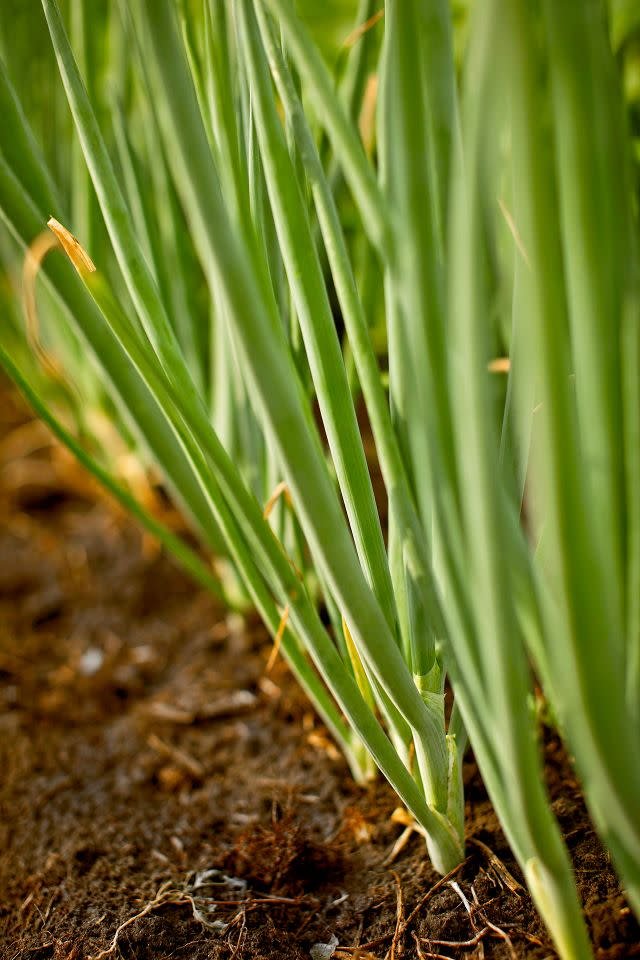
3. Green Onions (Scallions)
Green onions can be sown outdoors in winter and will quietly establish their roots while the soil is cold.
Once spring arrives, they grow incredibly fast, giving you fresh onion greens weeks earlier than spring planting.
They are ideal for containers, raised beds, or garden rows.
4. Carrots
Carrot seeds love cold soil. Winter sowing allows them to sprout as soon as the soil warms in early spring.
Winter-grown carrots:
- Are sweeter
- Have smoother texture
- Are less likely to split
Simply sow seeds, water well, and cover with mulch or straw to protect them.
5. Cilantro (Coriander)
Cilantro bolts quickly in warm weather, but thrives in cool temperatures.
Winter planting gives you:
- Longer-lasting leaves
- Slower bolting
- Stronger flavor
Cilantro will start growing early and give you plenty of fresh leaves before summer heat arrives.
6. Parsley
Parsley is a slow grower, which makes it perfect for winter sowing.
When planted in winter:
- Seeds germinate naturally with cold exposure
- Plants become more robust
- Harvest begins earlier
Once spring arrives, parsley explodes with fresh green growth.
7. Lettuce
Many lettuce varieties are surprisingly cold-hardy.
Winter-sown lettuce:
- Germinates early
- Grows faster
- Produces tender leaves
You can even grow it under light frost or snow with a thin cover of mulch or garden fabric.
8. Arugula (Rocket)
Arugula loves cool temperatures and grows extremely fast.
Winter planting allows:
- Early harvest in spring
- Better leaf flavor
- Slower bolting
It’s one of the quickest greens you can grow after winter.
9. Peas
Peas thrive in cool soil and cold air. Planting peas in late winter allows them to establish roots before warm weather arrives.
They will climb and flower earlier, giving you fresh peas long before late-spring gardeners.
10. Garlic
Garlic is one of the best winter-planted crops.
When planted in winter:
- It develops strong roots
- Bulbs grow larger
- Flavor improves
Plant cloves in cold soil, cover with mulch, and let winter do the work.
Why Winter Sowing Works
Many seeds naturally require cold exposure to sprout. This process is called cold stratification.
Winter planting:
- Mimics nature
- Reduces seed dormancy
- Produces stronger seedlings
- Prevents disease and pests
Seeds planted in winter wait patiently until conditions are perfect, then sprout quickly in early spring.
How to Protect Winter Seeds
You don’t need fancy equipment.
- Use mulch, straw, or dry leaves
- Water once after planting
- Let snow act as insulation
- Avoid disturbing soil
Nature will take care of the rest.
Final Thoughts
Winter is not the end of gardening — it’s the secret beginning.
By planting spinach, kale, carrots, herbs, and garlic during winter, you’re letting nature work for you. When spring arrives, your garden will already be growing while others are just starting.