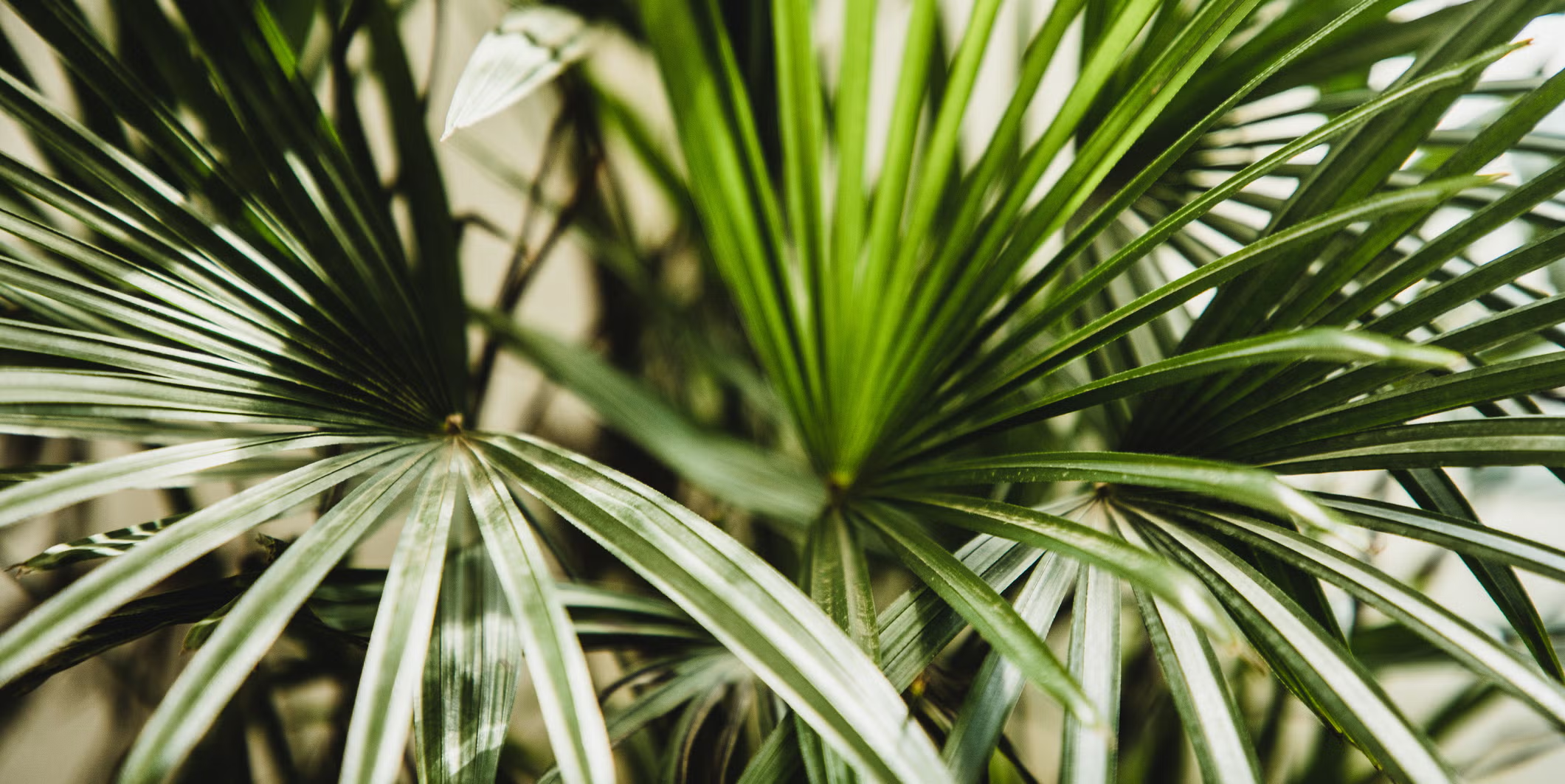

Indoor palms are the ultimate way to bring the feel of a tropical paradise into your home. Their elegant fronds, varying heights, and lush green presence can transform any space from ordinary to extraordinary. Whether you’re looking for a statement floor plant, a desk-friendly palm, or something to fill an empty corner, there’s an indoor palm suited to your style and space.
This guide highlights the 10 best indoor palms, their care requirements, and tips to help them thrive indoors while adding a vibrant, tropical touch to your living space.
Why Indoor Palms Are So Popular
Palms have long been associated with resorts, beaches, and tropical escapes, which makes them highly desirable as houseplants. Besides their aesthetic appeal, indoor palms offer multiple benefits:
- Air purification: Many palms remove toxins from indoor air and improve air quality.
- Low maintenance options: Several palm species thrive with minimal care.
- Versatility: Suitable for small apartments or large living rooms, depending on species.
- Stress reduction: Their greenery has been shown to boost mood and reduce stress.
Adding indoor palms is like having a mini tropical retreat inside your home, year-round.
1. Areca Palm (Dypsis lutescens)
Also called the butterfly palm, the Areca Palm is one of the most popular indoor palms:
- Size: Up to 6–7 feet indoors.
- Light: Bright, indirect light.
- Watering: Keep soil evenly moist, but avoid soggy conditions.
- Why it’s great: Feathery, arching fronds create a soft, tropical vibe. Excellent for living rooms and sunrooms.
2. Parlor Palm (Chamaedorea elegans)
The Parlor Palm is perfect for low-light conditions, making it a favorite for indoor gardeners:
- Size: 3–4 feet indoors.
- Light: Low to bright indirect light.
- Watering: Moderate; allow top inch of soil to dry.
- Why it’s great: Elegant, slender fronds and easy care. Ideal for offices and smaller rooms.
3. Kentia Palm (Howea forsteriana)
The Kentia Palm is known for its graceful, drooping fronds and resilience:
- Size: Can reach 10 feet indoors with patience.
- Light: Bright indirect light, tolerates low light.
- Watering: Keep soil lightly moist; drought-tolerant once established.
- Why it’s great: Sophisticated and long-lived; adds a luxurious tropical feel.
4. Lady Palm (Rhapis excelsa)
The Lady Palm is a clumping palm with glossy, fan-like leaves:
- Size: 4–6 feet indoors.
- Light: Low to medium indirect light.
- Watering: Allow soil to dry slightly between waterings.
- Why it’s great: Tolerant of indoor conditions, including lower light; adds texture and dimension.
5. Bamboo Palm (Chamaedorea seifrizii)
Resembling miniature bamboo stalks, this palm is both striking and hardy:
- Size: 4–12 feet indoors, depending on pot size.
- Light: Prefers bright indirect light, tolerates low light.
- Watering: Keep soil consistently moist.
- Why it’s great: Effective air purifier; creates vertical greenery in rooms with tall ceilings.
6. Pygmy Date Palm (Phoenix roebelenii)
The Pygmy Date Palm is a slow-growing, compact palm suitable for small spaces:
- Size: 3–6 feet indoors.
- Light: Bright, indirect light.
- Watering: Moderate; do not let soil dry out completely.
- Why it’s great: Finely textured leaves; perfect as a corner accent or desk plant.
7. Majesty Palm (Ravenea rivularis)
The Majesty Palm adds height and drama to any indoor setting:
- Size: Up to 8–10 feet indoors.
- Light: Bright, indirect light; can tolerate partial sun.
- Watering: Keep soil consistently moist; humidity-loving.
- Why it’s great: Creates an exotic, resort-like atmosphere in large rooms or entryways.
8. Kentia/Parlour Hybrid Palms
Some nurseries sell hybrids of Kentia and Parlor Palms, combining low-light tolerance and elegant fronds.
- Size: 4–8 feet indoors.
- Light: Low to medium indirect light.
- Watering: Moderate; allow soil to dry slightly between watering.
- Why it’s great: Extremely adaptable; ideal for urban apartments or low-light interiors.
9. Ponytail Palm (Beaucarnea recurvata)
Though technically not a true palm, the Ponytail Palm is palm-like and striking:
- Size: 3–6 feet indoors; slow-growing.
- Light: Bright light; tolerates direct sun.
- Watering: Low maintenance; drought-tolerant due to bulbous base storing water.
- Why it’s great: Unique sculptural form; works well in modern or minimalist interiors.
10. Sago Palm (Cycas revoluta)
Another palm look-alike, the Sago Palm adds structural beauty to your home:
- Size: 2–5 feet indoors.
- Light: Bright, indirect light; tolerates partial shade.
- Watering: Allow soil to dry between waterings; avoid overwatering.
- Why it’s great: Glossy, stiff fronds; ideal for tabletop or floor displays.
⚠️ Note: Sago Palm is toxic if ingested by pets or humans. Place it out of reach.
Tips for Thriving Indoor Palms
- Light matters: Most palms prefer bright, indirect light; some tolerate low light. Adjust placement as needed.
- Humidity helps: Many palms are tropical and enjoy higher humidity. Use a humidifier or pebble tray if indoor air is dry.
- Avoid overwatering: Palm roots are prone to rot. Let the top inch of soil dry between waterings.
- Rotate plants: Rotate regularly to ensure even growth and frond development.
- Fertilize carefully: Use a slow-release, balanced fertilizer during the growing season to encourage healthy fronds.
- Prune wisely: Remove yellowing or dead fronds to maintain appearance and prevent disease.
- Pot and repot appropriately: Palms generally like to be slightly root-bound, but repot every 2–3 years or when the pot is too small.
Styling Indoor Palms
- Corner statement: Place a tall palm like Majesty or Kentia Palm in an empty corner to fill vertical space and add drama.
- Grouped display: Cluster smaller palms like Parlor, Ponytail, and Pygmy Date Palm for layered texture and lush tropical feel.
- Window arrangement: Line a sunny window with medium-sized palms to create a mini indoor garden.
- Accent pieces: Smaller palms can double as decorative accents on tables, desks, or plant stands.
The key is to combine height, texture, and leaf shape for a dynamic tropical aesthetic.
Final Thoughts
Indoor palms are versatile, elegant, and tropical additions to any room. From the delicate, feathery fronds of the Areca Palm to the bold, sculptural shape of the Ponytail Palm, there’s a species to suit almost any indoor environment.
By understanding the light, water, and humidity needs of each palm, and by placing them strategically within your home, you can create a lush, tropical retreat without stepping outside. With proper care, your indoor palms will thrive for years, adding beauty, texture, and a sense of calm to your space. 🌴✨